Elimination Diet for Dogs: How It Works in 5 Steps
Introduction: When Your Dog's Itch Just Won't Quit — And Why an Elimination Diet Is the Smartest First Step
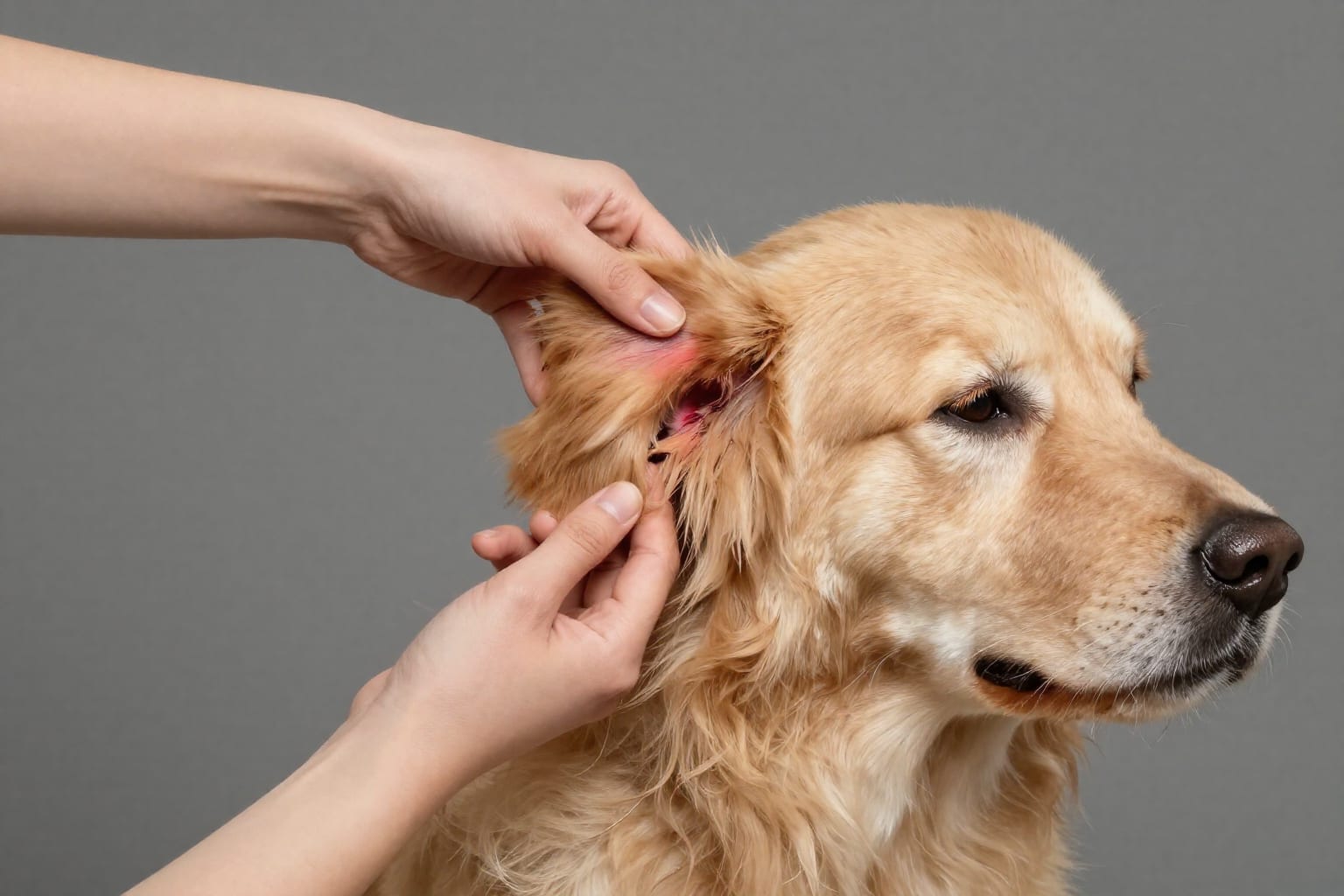
I remember the day my golden retriever, Gus, scratched his ear raw during a Zoom meeting. My boss thought the red splotch on the camera was a filter. It wasn't. After $400 in vet bills, a skin scrape that ruled out mites, and a baffled shrug from my regular vet, I learned something crucial: the gold-standard diagnostic tool for food sensitivities isn't a blood test or a fancy swab—it's a simple, strict dietary reset called an elimination diet. If your dog is chronically itchy, has recurrent ear infections, or suffers from mysterious GI upset, this five-step process is the most reliable way to pinpoint the culprit. In this guide, I'll walk you through exactly how an elimination diet works, step by step, so you can finally get your dog relief without guesswork or gimmicks.
Step 1: Choose the Right Novel or Hydrolyzed Protein Diet
The first step is selecting a diet your dog has never eaten before. That means a single protein source (like rabbit, venison, or kangaroo) and a single carbohydrate source (like potato or tapioca) that are truly novel to your dog. I learned this the hard way: the first time I tried an elimination diet, I grabbed a bag of "limited ingredient" salmon and sweet potato kibble from a pet store. Turns out, Gus had eaten salmon treats months earlier. Cross-contamination from chicken fat in the manufacturing line also threw off the trial. A hydrolyzed protein diet—where the protein molecules are broken down so small the immune system can't recognize them—is the safest bet, but it's prescription-only. For a home trial, work with your vet to pick a novel protein from a reputable brand that guarantees no cross-contact. Avoid any diet labeled "limited ingredient" unless it's from a veterinary therapeutic line; many of those still contain trace common allergens like chicken or beef.
Step 2: Strictly Feed Only the Test Diet for 8–12 Weeks
This is where most people fail. You cannot give your dog anything other than the test diet and fresh water for the entire trial period. No treats, no dental chews, no rawhide, no table scraps, no flavored heartworm or flea medications (ask your vet for a non-chewable alternative). Even a single slip-up—a kid dropping a cracker, a neighbor sneaking your dog a biscuit—resets the clock back to day one. I know because I once gave Gus a single freeze-dried liver treat on day 45, and his itching returned within 48 hours. The standard duration is 8 to 12 weeks. In the first two weeks, you might see no change or even a temporary worsening as the old allergens leave the system. By week 4, many dogs show at least 50% improvement in itching or GI symptoms. By week 8, you should have a clear picture. If your dog is still symptomatic at week 10, it's time to consider a different novel protein or a hydrolyzed diet.
Step 3: Monitor and Track Symptoms — Beyond the Obvious Itch
I keep a simple notebook and take a weekly photo of Gus's ears, paws, and belly. The changes are subtle: less licking of the paws, fewer ear infections, firmer stools. But food allergies in dogs don't always look like classic hives. Common symptoms include chronic ear inflammation (often misdiagnosed as yeast), soft stools or diarrhea, anal gland scooting, and even behavioral changes like hyperactivity or lethargy after meals. Use a symptom diary with a 1–10 scale for itch intensity, stool quality (Bristol stool chart works for dogs too), and any vomiting episodes. Mark down the date and time of every meal. This data is invaluable during the challenge phase. And don't be discouraged if improvement isn't linear—I've seen dogs get worse on week 3 before dramatically improving on week 6. Patience is key.
Step 4: The Challenge Phase — Reintroduce Old Foods Systematically
Once your dog is stable and symptom-free on the test diet for at least 2 weeks, it's time for the most revealing part: the food challenge. You'll reintroduce one old ingredient at a time—chicken, beef, wheat, soy, dairy, egg—each for 5 to 7 days, while continuing the base test diet. I started with chicken because it's the most common allergen. On day 2 of the chicken challenge, Gus's ears turned red and he started scratching again within 12 hours. That's a positive challenge. A false positive can happen if you reintroduce too many ingredients at once or if your dog has a concurrent environmental flare-up. So only add one new food per week, and keep the rest of the diet identical. If no reaction occurs after 7 days, that ingredient is safe to add to your dog's permanent menu. If a reaction happens, you've identified a trigger. Wait for symptoms to resolve (usually 3–7 days back on the test diet) before trying the next ingredient.
Step 5: Interpret Results and Build a Long-Term Diet Plan
After completing the challenge phase, you'll have a list of safe and unsafe ingredients. If your dog reacted to multiple foods (say, chicken and beef), you'll need a maintenance diet that avoids all of them. This could mean sticking with the novel protein from the trial, rotating between two safe proteins (e.g., rabbit and venison), or using a commercial hypoallergenic diet long-term. If your dog didn't react to any of the tested foods, the problem is likely environmental, not dietary—and you can save money by switching back to a regular diet while addressing allergies with other strategies (like immunotherapy or medicated baths). I recommend consulting a board-certified veterinary nutritionist to formulate a balanced long-term plan, especially if you're considering a home-cooked diet. The goal isn't just to stop the itch—it's to nourish your dog without triggering inflammation. In my case, Gus now thrives on a rotation of rabbit and kangaroo kibble, and his ear infections are a thing of the past.
Frequently Asked Questions About Elimination Diets for Dogs
Can I use over-the-counter limited-ingredient dog food for an elimination diet?
Not always. Many store-bought "limited ingredient" diets still contain trace amounts of common allergens or cross-contamination from shared manufacturing lines. Prescription hydrolyzed or novel protein diets from a vet are more reliable for a true elimination trial.
What if my dog doesn't improve after 8 weeks on the elimination diet?
It could be a non-food allergy (e.g., environmental), or the novel protein you chose might still be a trigger. Consult your vet to consider a different protein source or a hydrolyzed diet. Some dogs need multiple trials to find the right fit.
Is it safe to do an elimination diet on a puppy?
Yes, but only under veterinary guidance because puppies have higher nutritional needs. Your vet can recommend a balanced novel-protein or hydrolyzed diet that supports growth. Never restrict a puppy's calories or nutrients without professional oversight.
Can I use a home-cooked diet for the elimination trial?
Yes, but it must be carefully balanced with vitamins and minerals. Work with a veterinary nutritionist to avoid deficiencies—unbalanced homemade diets can cause serious health issues like heart disease or bone problems over time.
How long does it take to see results after reintroducing a suspected allergen?
Reactions usually appear within 1–7 days, but can be as fast as a few hours (vomiting/diarrhea) or as delayed as 2 weeks (chronic itch). Keep a detailed log of when you added each food and any symptom changes.
Practical Takeaway
An elimination diet for dogs is the most reliable way to diagnose food allergies, but it requires strict discipline and patience. Start with a vet-approved novel or hydrolyzed protein diet, feed nothing else for 8–12 weeks, track symptoms obsessively, then challenge one ingredient at a time. Worth bookmarking before your next trip to the vet—it can save you hundreds of dollars and months of frustration.